Why LLM-as-a-Judge Fails on Code (And How We Built a 4-Layer Hybrid Engine)
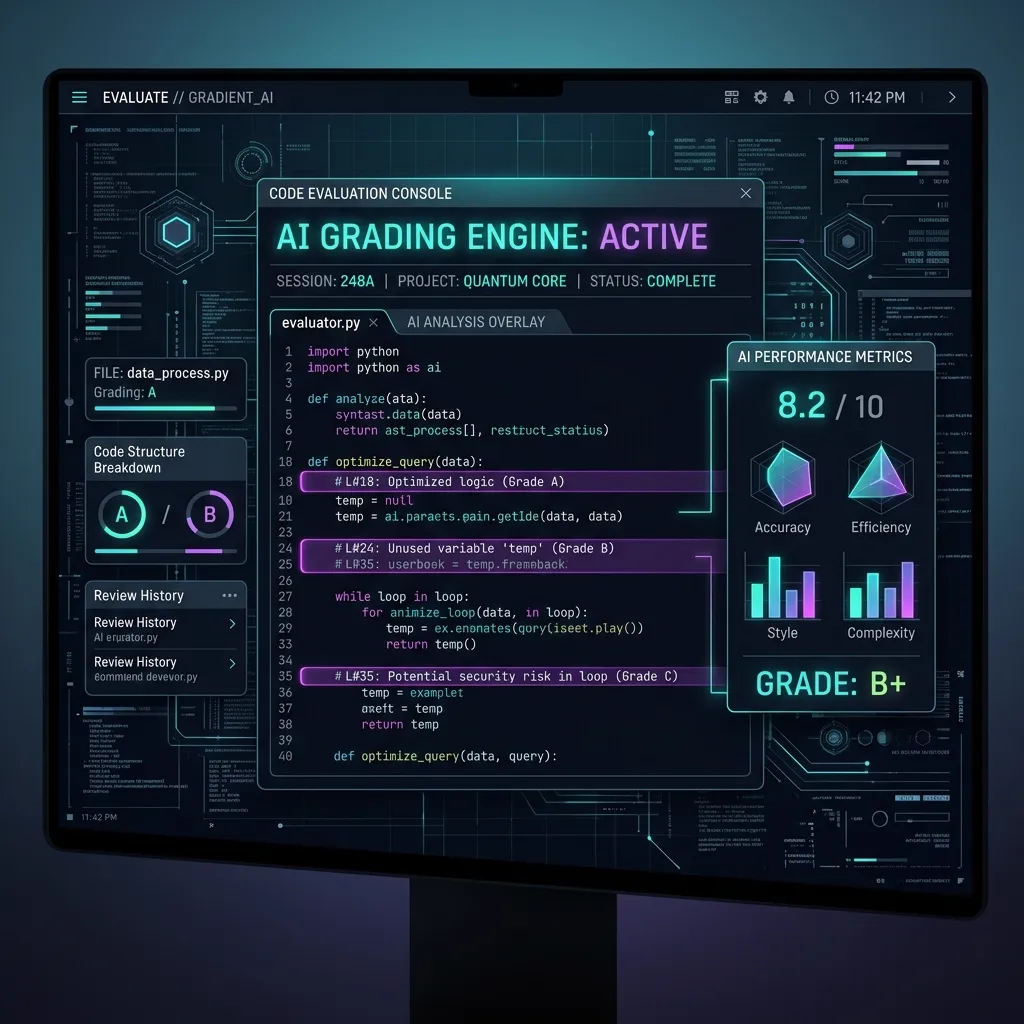
Why code evaluation needs different layers, and how deterministic validation, DeBERTa-v3 NLI, and model consensus serve different reliability and latency tradeoffs.

Deep dives into AI observability, safety circuit breakers, and the future of agentic infrastructure.
Why code evaluation needs different layers, and how deterministic validation, DeBERTa-v3 NLI, and model consensus serve different reliability and latency tradeoffs.

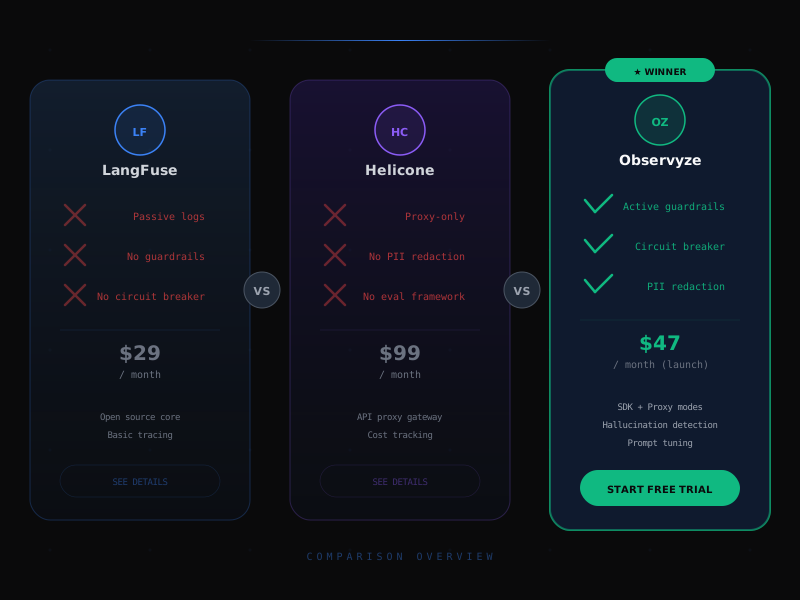
Compare tracing, evaluation timing, deployment boundaries, cost attribution, and runtime controls without relying on a stale feature checklist.
How to monitor enterprise LLM applications without exposing PII. A deep dive into local scrubbing and direct API gateways.

Why regex fails for AI outputs, and how to build a high-speed semantic evaluator without breaking the bank.

The anatomy of an infinite ReAct loop, and how to use Circuit Breakers to stop budget bleeding.

How enforcement-point choices affect latency, coverage, and failure behavior in an LLM request path.

As agents move from simple chat to high-stakes decision making, the need for real-time guardrails becomes the fundamental primitive of the AI economy.

Separate post-hoc observability, pre-dispatch policy checks, and asynchronous output evaluation.